
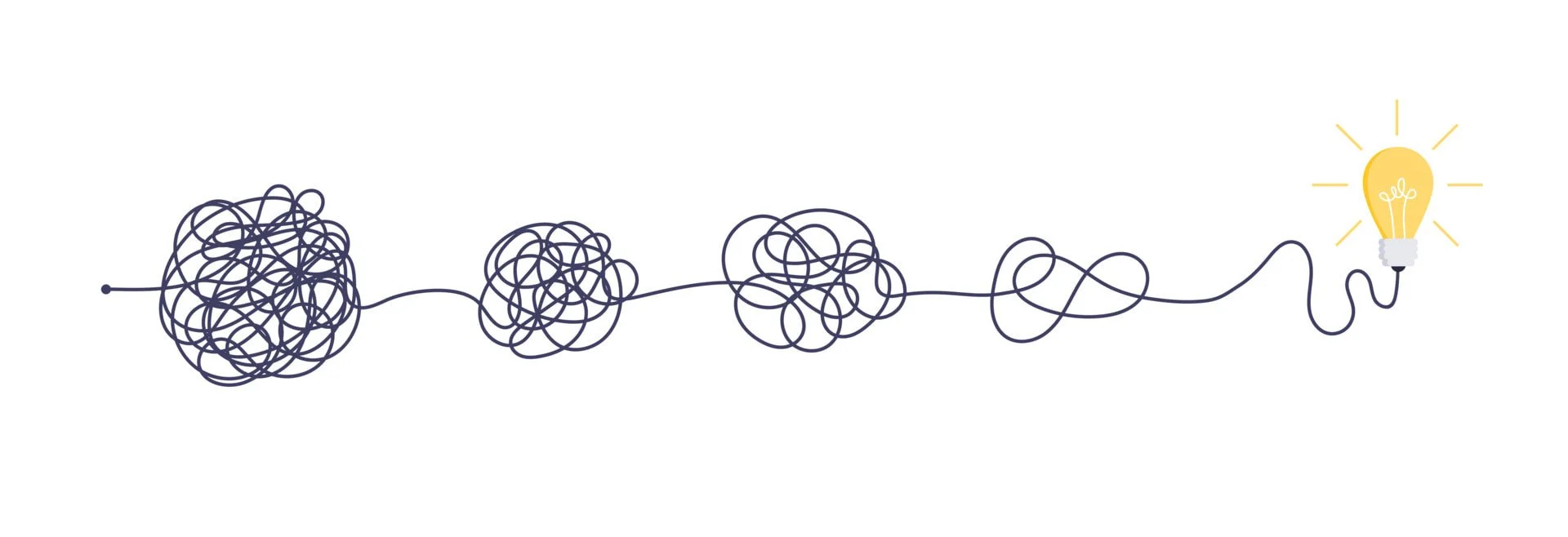
How to use plain language for complex ideas
Do you worry that if you write in plain language you will lose important information? How could you possibly include all the complex ideas when you are writing in simpler language?
Simplifying complex ideas doesn’t mean removing information – it just means making that complex information easier to understand.
In other words, it's meeting the reader at their level of language, rather than leaving anything out.

5 reasons to use plain language for reports
Most people’s eyes glaze over when they think of business reports, especially annual reports. But it doesn't have to be like that.
Recently, reports have grown in depth and length as organisations are encouraged to be as transparent as possible.
But as reports become more complex, it becomes more important to consider how to present the information in a way that engages readers and helps them to easily and quickly understand your content.

Can you use jargon in plain language writing?
A common view of plain language writing is that you can only use simple words that everybody can read.
But plain language is about the reader.
And your target readers, and what they know, may change for different pieces of content. Or you may write two different versions of the same information for different groups of readers, depending on the level of information that they need, and the knowledge they already have.
So, can we use jargon in plain language writing?

Empathy helps to write in plain language
Writing is a creative process, which, just like any creative process, means it’s very personal.
We may feel that our writing is a reflection of our knowledge and intelligence, of how well we articulate ideas, and of how good we are at spelling and grammar.
But if we think about ourselves as we write, we aren't thinking about the reader and what they need.
We need to think about who will read the text, and use empathy to understand what they need.

How to write in plain language
Plain language writing means uses writing techniques and layout design to make your message clear to the reader. It is user-friendly writing.
It's not as easy as it sounds to write in plain language . And there are no rules on how to write in plain language – just guidelines. The guidelines are there to help you, but different contexts or readers mean that the guidelines must be interpreted correctly for your purpose.
Why you should use plain language
There are benefits of using plain language to the reader (your clients and potential clients), and to your business or organisation.

What is plain language?
Plain language, or plain English, is a way of writing and using layout design to make your message as easy to understand as possible. It's user-friendly writing.
Plain language can
help your readers understand your message quickly and easily
help your clients trust you
help your employees work more efficiently.

How to work with a business editor
Most people feel a little worried about handing over their writing to someone else, especially someone outside their organisation.
You might wonder, “What will they think of my writing?” or “How will they know how I wanted to say it?”
An editor is experienced in working with your ‘voice’. The goal of editing is to enhance communication, not detract from it. They will discuss the brief with you in detail, and make sure they understand the values and message of your organisation.
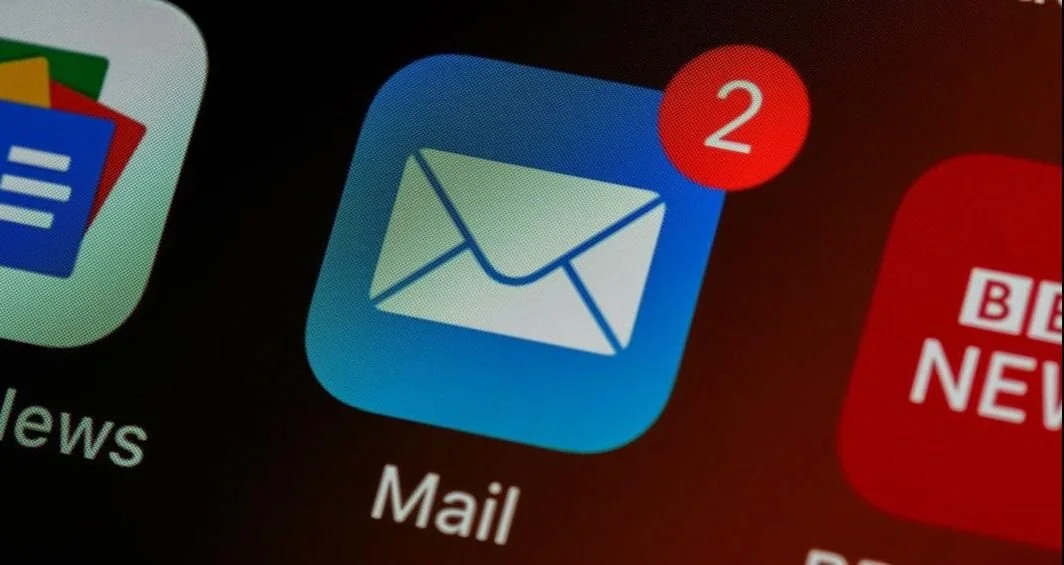
How to write emails that get read
What’s more frustrating than spending time writing and rewriting a detailed email with important information, only for the reader to miss the point or, worse, not read it at all?
We know how it feels to receive too many emails. We all have inboxes with ‘to be read’ emails that sit there for months. Most of us don’t have hours to clear all our emails. We usually just skim through to get the gist of what’s in them. We want to find the key points easily and quickly to decide whether we need to read the details.
The answer to getting your email read and actioned is to use the right structure so that the important information will be read and understood.

5 benefits of outsourcing editing
Do you work in a comms team and it’s always frantic? Or are you a copywriter and have more work than you can take on?
Last-minute edits and proofreads need doing, but the next project has already arrived on your desk – with a tight deadline.
Or you have several big projects on the go and your team just doesn’t have the time to spend on the nitty-gritty details.
Or even, your team is great at the writing, but not so good at the details. But, it’s important that the copy is accurate and reflects well on your company.
Consider outsourcing to an editor or proofreader to take the pressure off you and your team.
Here are 5 reasons why this makes sense in today’s WFH culture.
How does an editor help your business?
Communicating your message, your brand and your values accurately and effectively are vital to your business.
Whether you write a business blog, a report, marketing material, emails, social media posts or an e-book, you want to communicate clearly and accurately.
If you write content, and want to look professional and engage with your readers, working with an experienced editor can be beneficial to your business.

How to keep your organisation’s writing on-brand
Most organisations have an idea of how they want to be portrayed to clients or the public. They will have a brand and know what their values are.
With many people all creating writing on behalf of an organisation, including freelance copywriters or editors, it would be difficult to be consistent across all communications without a reference tool.

-ise vs -ize endings
Sometimes when I'm writing messages on my cell phone, I end up using -ize endings when I use predictive text. I sometimes wonder if people think that I don’t know the correct spelling for New Zealand English. Do they even know if it is wrong in New Zealand English?
I wonder if US English-style predictive text usage has a part to play in the confusion that surrounds whether to use -ise or -ize endings in New Zealand English.
Single or double quote marks?
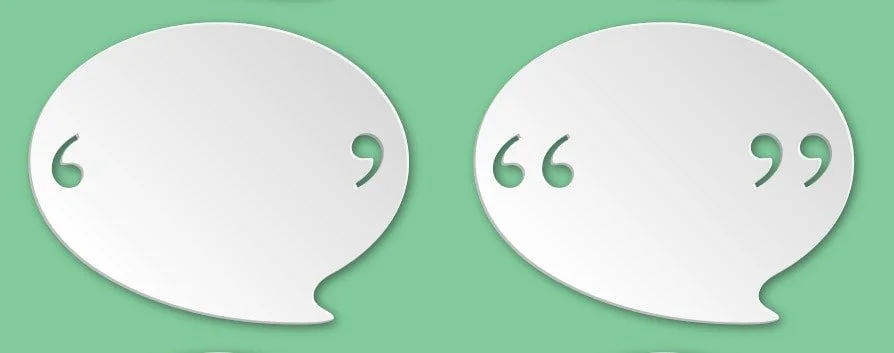
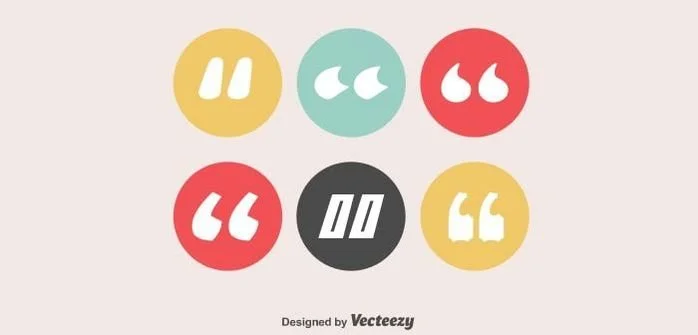
Quotation marks (also called quote marks, speech marks or inverted commas) are used to mark text that is dialogue or quoted material.
They can also be used for ‘scare quotes’ (see what I did there?) to show that a term is sarcastic, slang, a term that would not normally be used in that style of writing, or to isolate the term for attention.
Punctuation inside or outside quotation marks?
New Zealanders are exposed to a mix of American and British content, so we no longer know instinctively what is right for New Zealand English.
You wouldn't think it, but there's a difference in punctuation between these variations of English too. It's good to be consistent within a piece of writing (your reader will unconsciously pick up on inconsistencies even if they don't know why), so it's helpful to know the rules.
So, where does the punctuation go with quotation marks in New Zealand English?